A London rental property can sit empty for many reasons: a tenancy change, refurbishment, probate, sale, seasonal occupation or a delayed move-in. When taps, showers and other outlets are used less often, water can remain in sections of the system for longer. That stagnation can increase conditions that favour microbial growth, including Legionella.
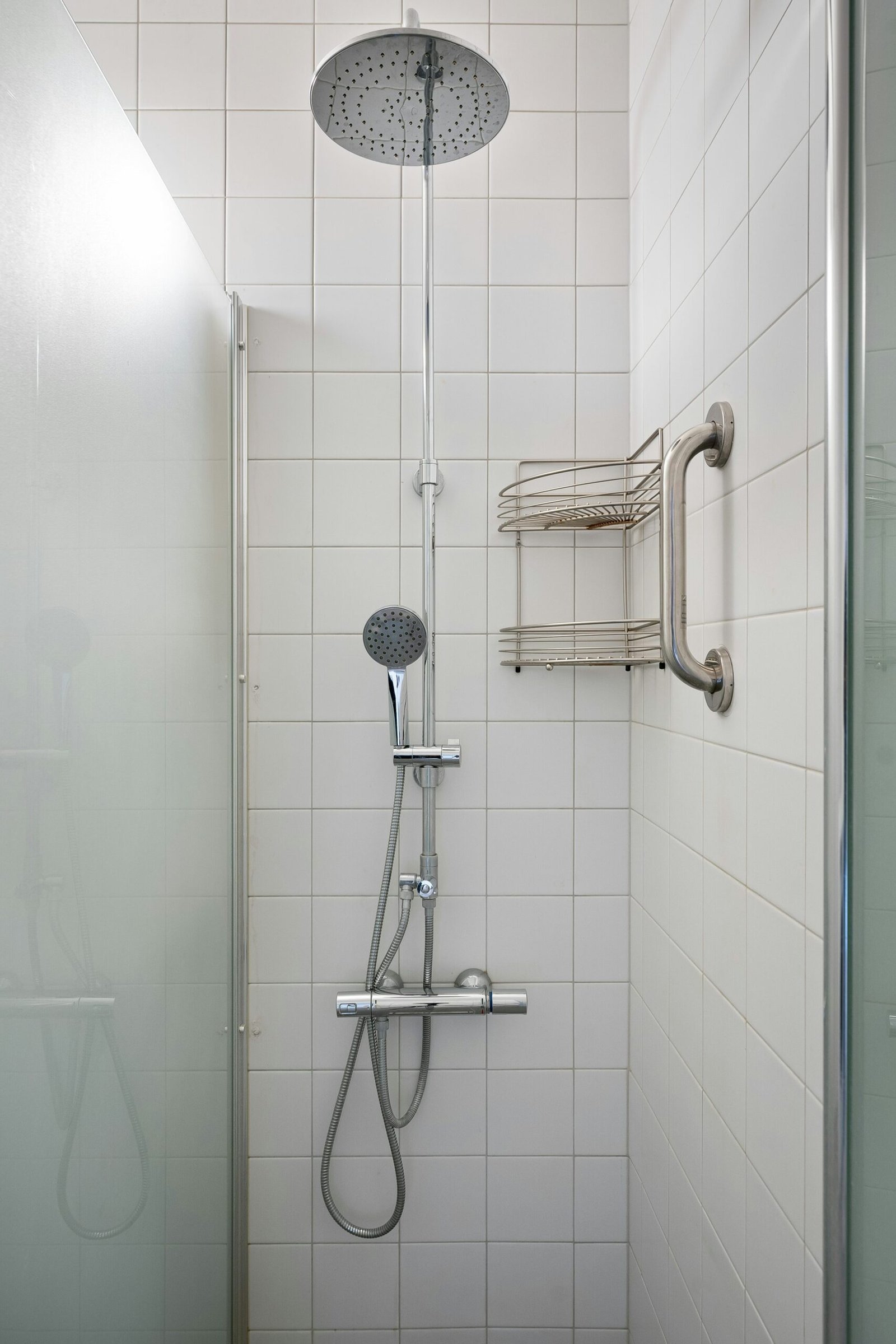
The correct response is not to assume that every empty property needs laboratory testing or a fixed disinfection programme. The approach should be proportionate to the water system, the length and pattern of non-use, the people who may be exposed and any risks already identified.
Why vacancy can change Legionella risk
Legionella control depends partly on avoiding conditions that allow bacteria to multiply. One important factor is water turnover. In a normally occupied home, regular use of taps, showers, toilets and appliances helps replace water throughout much of the system. During vacancy or very low occupancy, some outlets and pipe runs may receive little or no flow.
HSE technical guidance highlights stagnation as a factor that should be considered where buildings are not fully occupied or are used infrequently. For small, simple water systems, HSE states that systems should be thoroughly flushed before use and that this should be done as close to occupation as possible.
A practical reoccupation checklist for London landlords
Before a tenant or occupier returns, review what has happened to the property during the empty period. The following points help structure that review:
- Confirm how long the property has been empty or only partly used.
- Identify outlets that may have had little or no use, including showers, guest bathrooms, outside taps and utility sinks.
- Check whether any plumbing alterations, repairs or refurbishment works took place during the vacancy.
- Look for redundant pipework, dead legs, disconnected appliances or capped outlets that may create stagnant sections.
- Consider whether stored hot or cold water is present and whether normal temperature control has been maintained.
- Check for visible scale, fouling, damaged showerheads or other maintenance issues.
- Review whether the property includes higher-risk occupants or a more complex water system that may justify specialist input.
- Record what checks and control actions were carried out before occupation resumes.
Should every outlet be flushed?
Flushing can be an important control measure where outlets have been little used, but it should be carried out safely and in a way that reflects the system. Avoid creating unnecessary spray or aerosols, especially from showers, until the condition of the system has been considered.
For a straightforward domestic property, the practical objective is to replace stagnant water with fresh supply and return the system to normal use. More complex buildings may need a documented flushing regime or other measures identified by the risk assessment.
Does a vacant London property automatically need Legionella testing?
No. Routine microbiological sampling is not automatically required simply because a property has been empty. HSE guidance treats sampling as a tool that may be appropriate where there is uncertainty about control measures, evidence that control parameters are not being achieved, or a specific reason identified by the risk assessment.
This distinction matters because a water sample only represents conditions at a particular time and location. It does not replace a suitable assessment of the water system, its design, use and controls.
When might professional assessment be sensible?
Specialist input can be useful where the water system is not simple, where the property has been vacant for a prolonged or uncertain period, where refurbishment has changed the plumbing, or where the landlord or managing agent does not have sufficient competence to assess the system.
Examples include HMOs, converted buildings, larger residential blocks, properties with stored water, mixed-use premises, buildings with many little-used outlets, or situations where previous water-hygiene problems have been recorded.
What about renovation and refurbishment periods?
Renovation can create a different risk profile from ordinary vacancy. Contractors may isolate parts of the system, remove sanitary fittings, cap pipework, install new outlets or leave sections unused for weeks. Before the property is handed back for occupation, the landlord or manager should confirm what changes were made and whether the existing Legionella risk assessment is still valid.
If significant plumbing changes have been made, a review of the assessment is more useful than assuming the previous document still reflects the property.
London-specific situations where stagnation is easy to miss
The risk is determined by the water system, not the postcode, but London properties often include layouts where little-used outlets are easy to overlook. Converted Victorian houses may contain several bathrooms added at different times. HMOs may have en-suite rooms that remain vacant between tenancies. Flats can include secondary bathrooms that are rarely used, while mixed-use buildings may have staff kitchens or washrooms with irregular occupancy.
For these properties, the useful question is not simply “Has the building been empty?” but “Which parts of the water system have had low turnover?”
What records should a landlord keep?
There is no benefit in creating paperwork for its own sake, but a clear record can show how the risk was considered and what action was taken. A simple record may include the vacancy period, relevant outlets, any flushing or maintenance completed, plumbing changes, identified defects, follow-up work and the date normal occupation resumed.
Where a formal Legionella risk assessment exists, update or review it when changes mean it may no longer represent the property accurately.
Do not confuse Legionella control with a fixed annual certificate
A vacant property does not create a new legal requirement for an annual Legionella certificate. The underlying duty is to assess and control risk. The frequency of review and the controls used should reflect the actual property and circumstances.
For a broader explanation of landlord duties, see our guide to Legionella risk assessments for London landlords.
Need a Legionella risk assessment in London?
If you manage a London property that has been empty, refurbished or only partly occupied and you are unsure whether the existing assessment remains suitable, see our Legionella Risk Assessment Services. You can also check our London areas covered or request a property-specific quote.
Pingback: Legionella in London Schools After Holiday Closures: What Estates Teams Should Check - London Legionella Water Survey
Pingback: Legionella Control in London Hotels and Serviced Apartments: A Practical Checklist - London Legionella Water Survey