Legionella control in commercial premises is not simply a matter of taking an occasional water sample. For offices, retail units, mixed-use buildings and other workplaces in London, the starting point is understanding the water system, identifying where conditions could support bacterial growth, and putting proportionate controls in place.
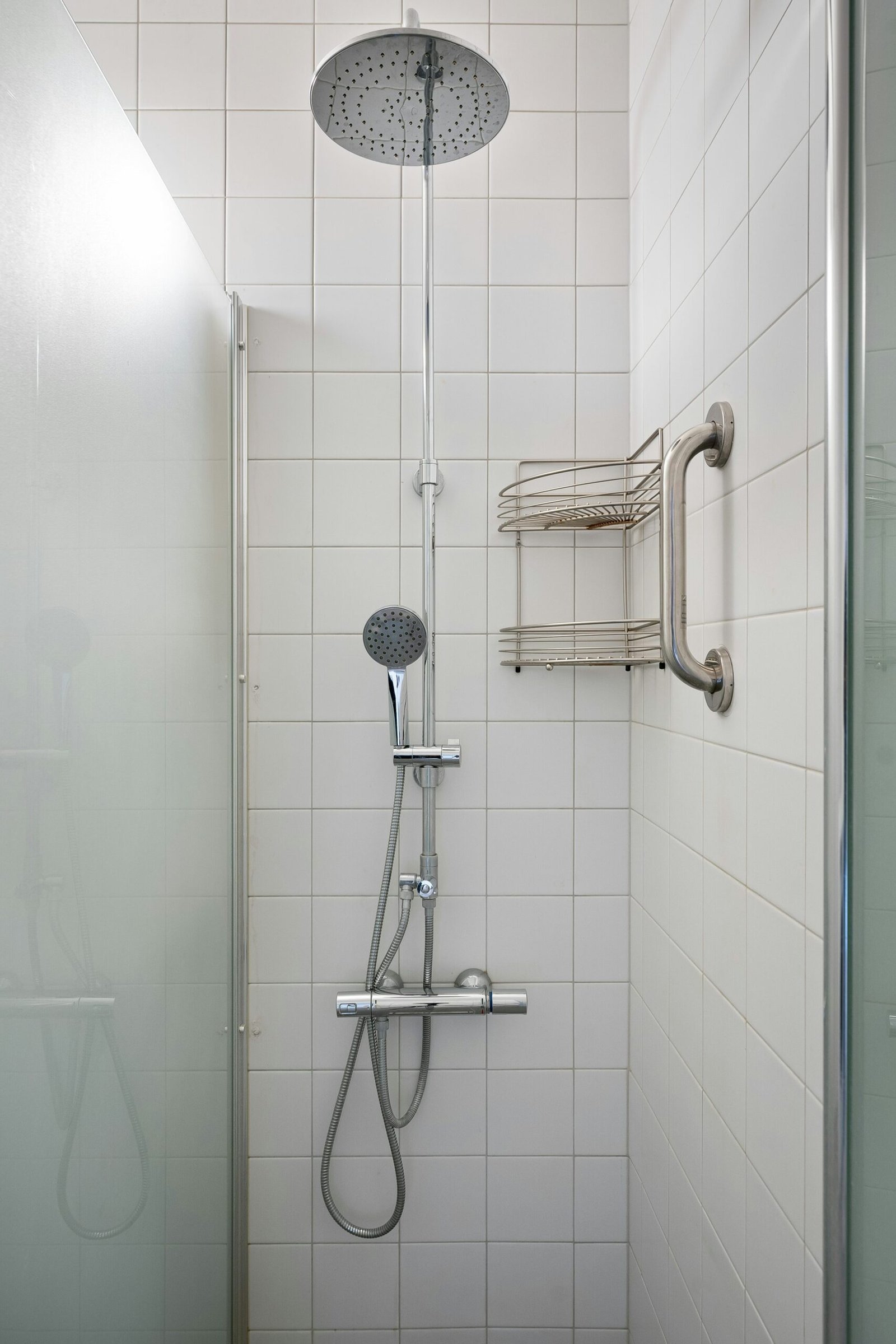
Why commercial buildings can present Legionella risks
The Health and Safety Executive (HSE) explains that any water system with the right environmental conditions can potentially support Legionella growth. Risk factors include stored or recirculating water, parts of a system operating roughly between 20°C and 45°C, deposits such as scale or sludge, and outlets or equipment capable of producing water droplets that people could inhale.
London buildings often combine older plumbing, refurbishments, extensions, little-used outlets and changing occupancy. Those features do not automatically mean a building is unsafe, but they can make it more important to understand how water actually moves through the system rather than relying on assumptions.
Facilities manager checklist
- Know the system. Keep an up-to-date understanding of cold-water storage, hot-water generation, circulation, showers, spray outlets, thermostatic mixing valves and other relevant components.
- Check for little-used outlets. Taps, showers or sections of pipework that see little use can allow water to stagnate.
- Review temperatures. Temperature control is a key part of many hot and cold water control schemes, but the correct monitoring points and actions depend on the system design and risk assessment.
- Look for unnecessary pipework. Redundant branches, dead legs and poorly modified systems can create areas where water remains static.
- Consider vulnerable occupants. The consequences of exposure can be more serious for some people, so the nature of the building and its users matters when assessing risk.
- Document responsibilities. Where controls are required, duties should be clearly allocated to competent people, with monitoring and records proportionate to the risk.
- Review after changes. Refurbishment, prolonged vacancy, altered occupancy, plant replacement or changes to the water system can justify reviewing the assessment and control arrangements.
What the HSE expects from dutyholders
HSE Approved Code of Practice L8 is aimed at employers, people in control of premises and others with health and safety responsibilities. It covers identifying and assessing sources of risk, deciding how the risk will be prevented or controlled, implementing and monitoring precautions, keeping appropriate records and appointing a competent person to manage the work where necessary.
The practical point is that a Legionella risk assessment should be specific to the premises. A generic checklist can help identify issues, but it is not a substitute for understanding the actual water system and how the building is used.
Does every commercial building need routine Legionella sampling?
No. Routine microbiological sampling is not automatically required for every simple hot and cold water system. Whether sampling is appropriate should follow from the risk assessment, the type of system, the effectiveness of control measures and any specific circumstances that indicate testing would provide useful information.
This distinction matters because testing alone does not control risk. A satisfactory sample result is only a snapshot; it does not replace suitable design, temperature management, flushing where appropriate, maintenance, inspection and review of the control scheme.
When should a Legionella risk assessment be reviewed?
There is no single review interval that fits every building. The assessment should be reviewed when there is reason to suspect it is no longer valid, or when significant changes occur. Examples can include major plumbing alterations, prolonged low occupancy, changes in building use, repeated temperature-control failures or evidence that existing precautions are not working as intended.
A practical approach for London property managers
For a facilities manager, the most useful first step is usually to confirm that the building has a current, site-specific assessment and that the people responsible for controls understand their roles. From there, the priority is to keep the system under review and make sure the documented control measures match what is happening in the building.
If your London commercial property has an older or altered water system, prolonged periods of low use, multiple tenants, showers or other aerosol-producing outlets, a professional review can help determine whether the existing assessment and controls remain suitable.
Official guidance
For authoritative guidance, see the Health and Safety Executive’s Approved Code of Practice L8 and HSG274 technical guidance.
London Legionella Water Survey provides Legionella risk assessment support for London properties. If you need a site-specific review of a commercial building’s water system, use the website contact options to request an assessment.